
Persona 2: Innocent Sin
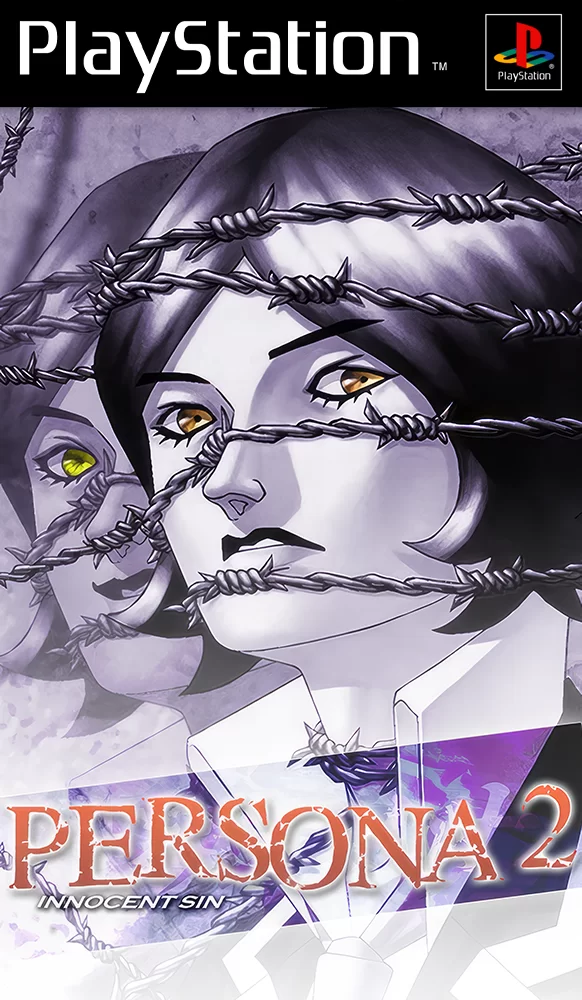
- Console PlayStation One (PS1)
- Genre JRPG, Social simulator
- Publisher Not specified
- Developer Not specified
- Released 24 June 1999
- Language Russian
- Voice Japanese
- Extension BIN, CUE
- Size 1.1
- Total Views 307
- Telegram
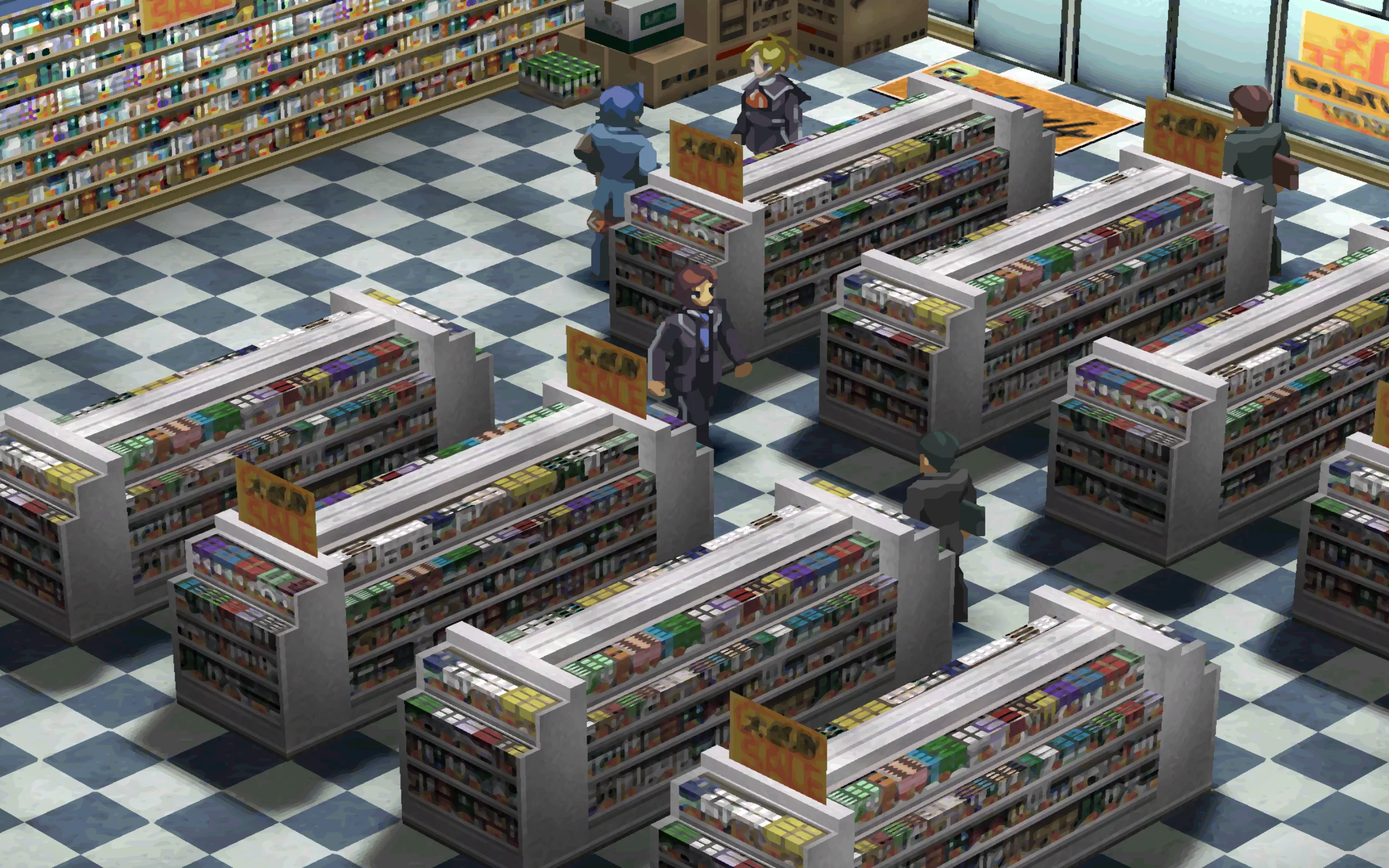
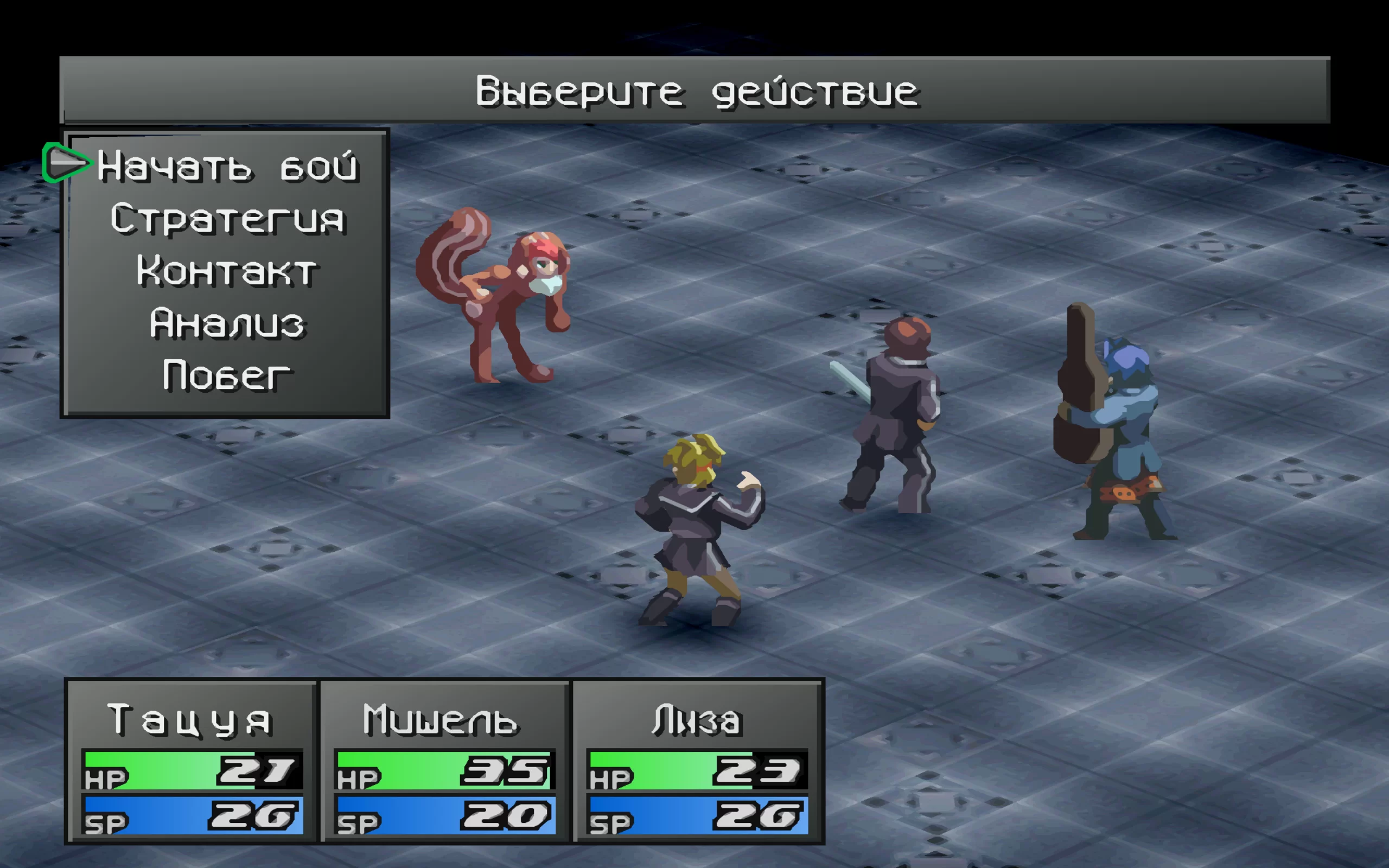
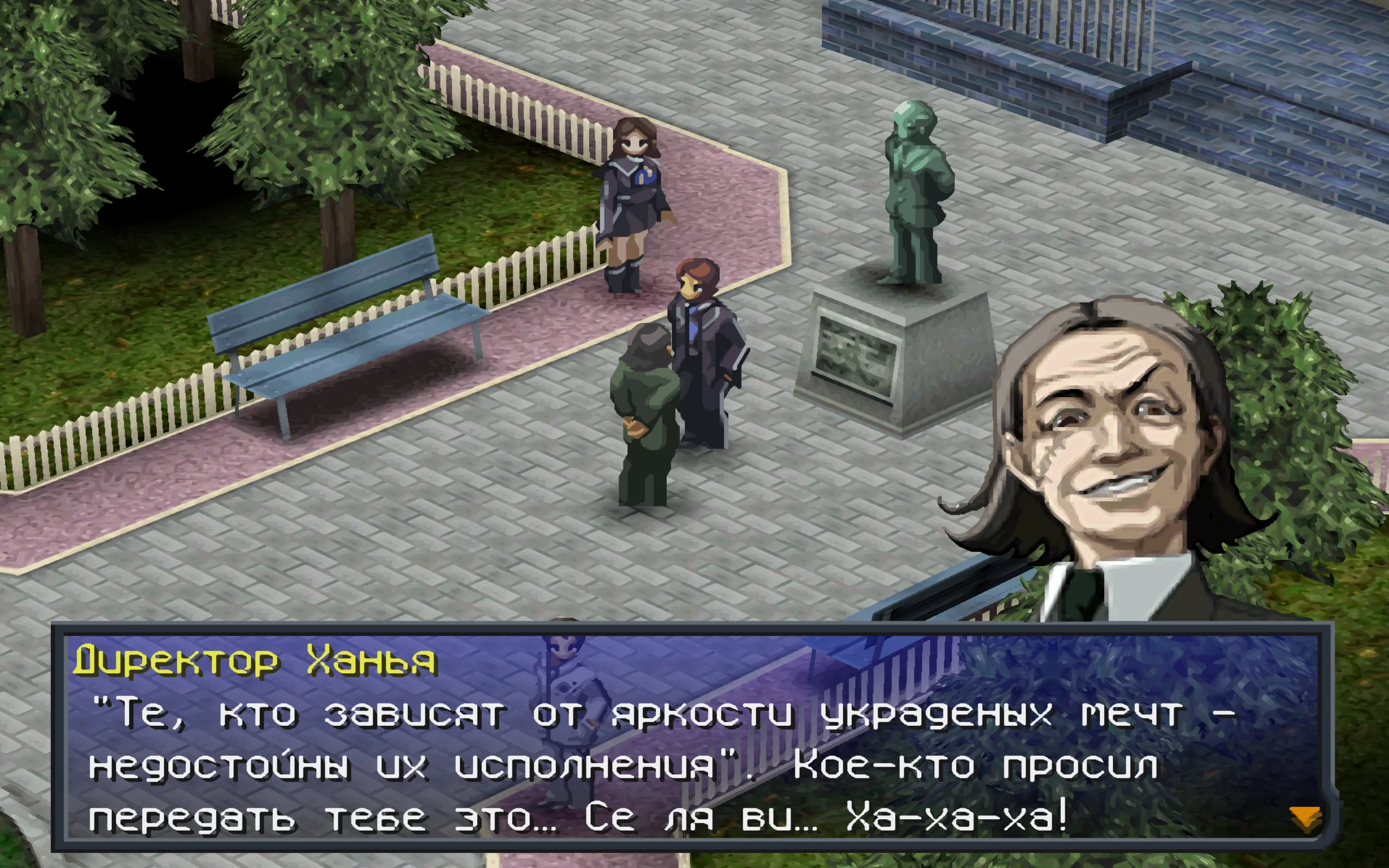
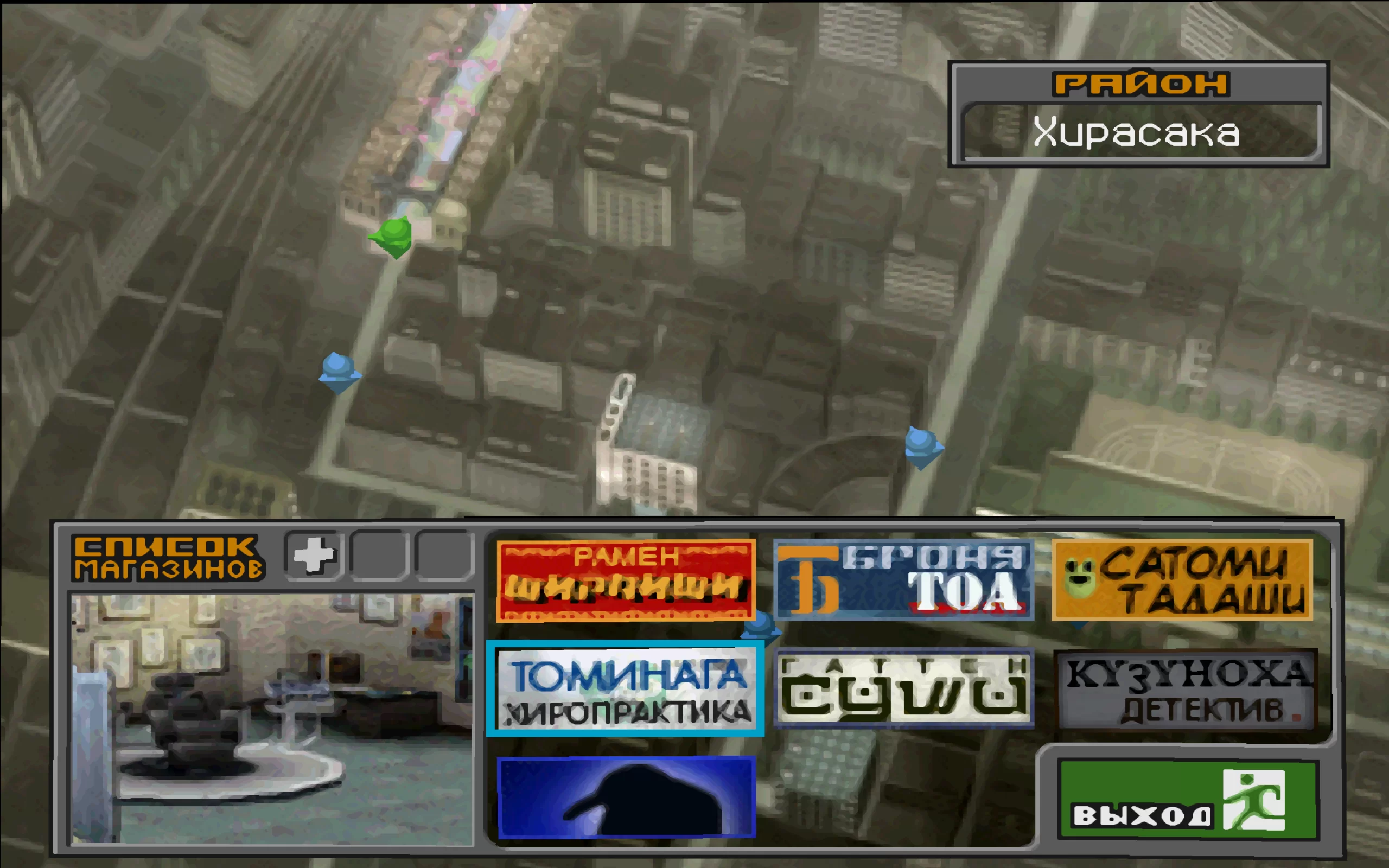
Persona 2: Innocent Sin is a Japanese role-playing game developed and published by Atlus for the PlayStation console in 1999. It is the first part of the Persona 2 duology and a continuation of the original Persona. In 2011, the game was re-released for the PlayStation Portable under the title Shin Megami Tensei: Persona 2 — Innocent Sin.
The game takes place in the fictional city of Sumaru, where the main character, a high school student named Tatsuya Suou, encounters mysterious and supernatural events. Against the backdrop of spreading rumors that begin to come true, Tatsuya and his friends discover that they can summon Personas — manifestations of their inner selves with unique abilities.
The plot of the game focuses on the confrontation with the occult sect Masquerade, which seeks to resurrect the dead to destroy the world. At the same time, the heroes try to uncover the mystery of their past lives and prevent a catastrophe. The game's narrative immerses us in a world dominated by deep philosophical themes, including self-determination, collective unconsciousness, and the struggle with inner demons.
The gameplay of Persona 2: Innocent Sin combines traditional JRPG elements with innovative mechanics, including the ability to negotiate with demons, allowing players to avoid battles or obtain valuable items from them. The system of merging Personas and developing their skills adds strategic depth to the game, requiring players to make well-thought-out decisions.
Graphically, the game is presented in an anime style using 2D sprites and pre-rendered backgrounds, creating a unique atmosphere. The musical score, composed by Shoji Meguro, complements the mystical and tense atmosphere of the game.
Persona 2: Innocent Sin received positive reviews for its deep narrative, memorable characters, and innovative gameplay. Subsequently, the game was re-released on the PlayStation Portable, allowing it to reach an even larger audience.
This work is an important part of the Shin Megami Tensei series legacy, touching on complex psychological themes and setting high standards for the role-playing game genre.
👉 Remember: using pirated copies violates the law and damages the gaming industry. Support the developers by purchasing games legally.
Register or log in to your account to remove some of the ads.
Comments 0
Post a Comment